
Infrared vs. Traditional Saunas: Which Is Right for Your Home?
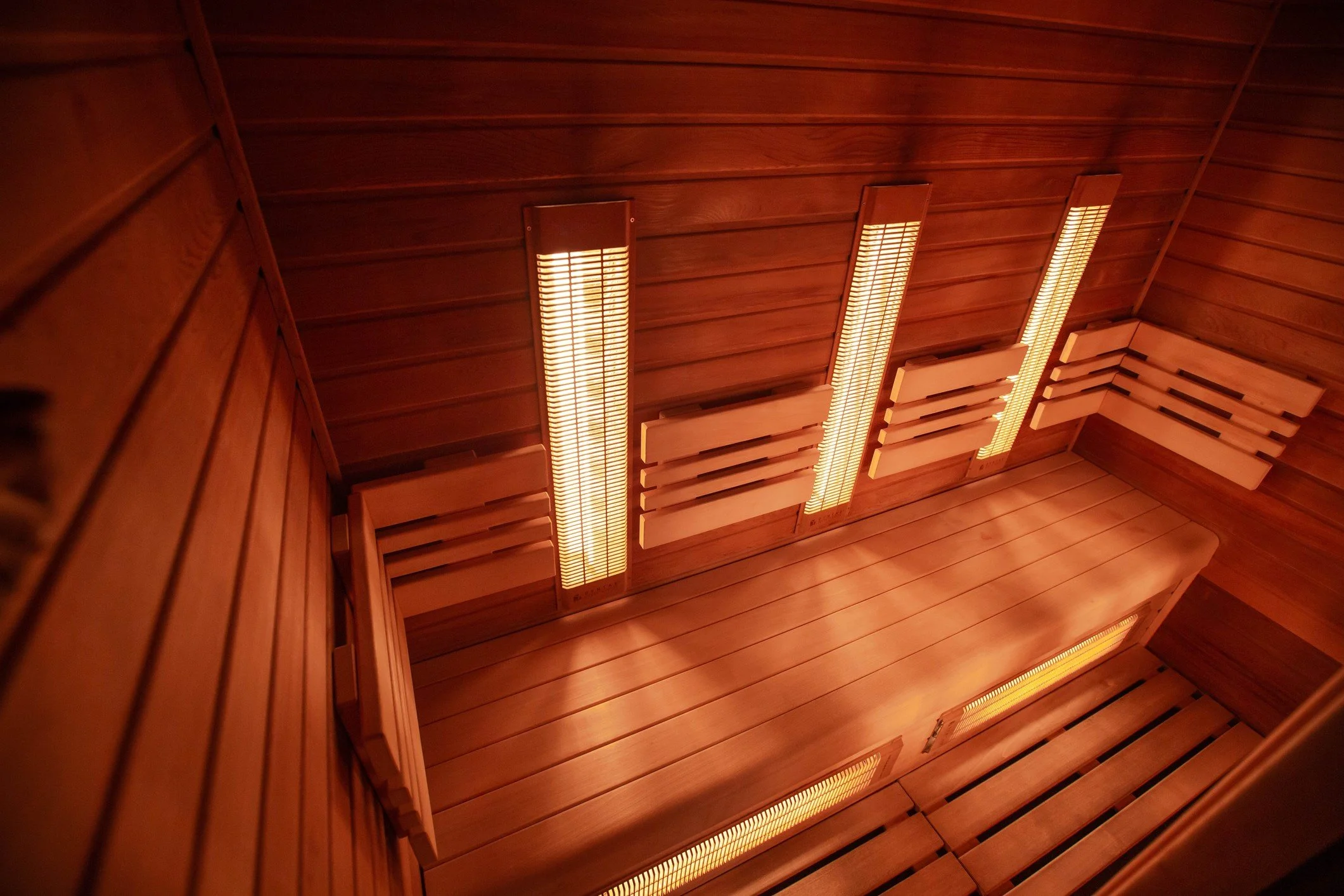
An infrared sauna uses advanced light panels to heat your body directly, whereas a traditional model warms the air around you with heated stones or steam. While both options offer health benefits, they create completely different environments. Comparing an infrared sauna versus traditional sauna is the best way to discover which heating style best matches your personal needs and goals. To help you choose, here are some of their key differences:
Heating Mechanisms
-
Traditional Saunas:
These saunas utilize an electric or wood-burning heater packed with stones. Once hot, they warm the air inside the cabin through convection. Pouring water over the stones also releases a burst of therapeutic steam, increasing humidity and intensifying the sensation of heat on the skin.
-
Infrared Saunas:
Infrared models do not rely on heating the air around you. Instead, they use infrared lights to emit warmth, which is absorbed directly by the body. Because the light waves penetrate deep into the muscle tissue, you begin to sweat from the inside out before the room temperature even climbs.
Temperature and Environment
-
Traditional Saunas:
Traditional models operate at high temperatures, typically between 150°F and 190°F. For many enthusiasts, this intense, enveloping heat is the classic sauna experience they love.
-
Infrared Saunas:
Because the light waves heat you directly, the air stays much cooler and more comfortable, with temperatures usually sitting between 110°F and 140°F. These saunas’ dry environment lets you enjoy a deep, intense sweat without feeling overwhelmed.
Health Benefits and Wellness Impact
-
Traditional Saunas:
These are well-known for enhancing cardiovascular health, improving circulation, and aiding muscle relaxation. The humid heat from traditional saunas also increases sweat production and flushes out trapped impurities, helping open pores and cleanse the skin.
-
Infrared Saunas:
Infrared technology can penetrate up to 1.5 inches into the body. This deep permeation enhances blood flow, making it effective for accelerating muscle recovery, reducing chronic discomfort, and lowering inflammation.
The Ideal Sauna for Your Home
Deciding between these sauna options ultimately depends on your preferences and wellness goals. Opt for a traditional sauna if you love the authentic ritual and high-heat intensity. However, if you prefer a gentler experience with deep tissue penetration, an infrared sauna may be the right fit.
Explore Our Premium Sauna Options Today
Understanding the differences between an infrared sauna versus a traditional sauna can help you decide which best fits your needs. For further assistance, consult an expert. Reach out to us at J. Adam and Sons Ltd. Spas & Plumbing to explore our premium saunas for your home.