
Understanding When To Repair or Replace Your Hot Tub
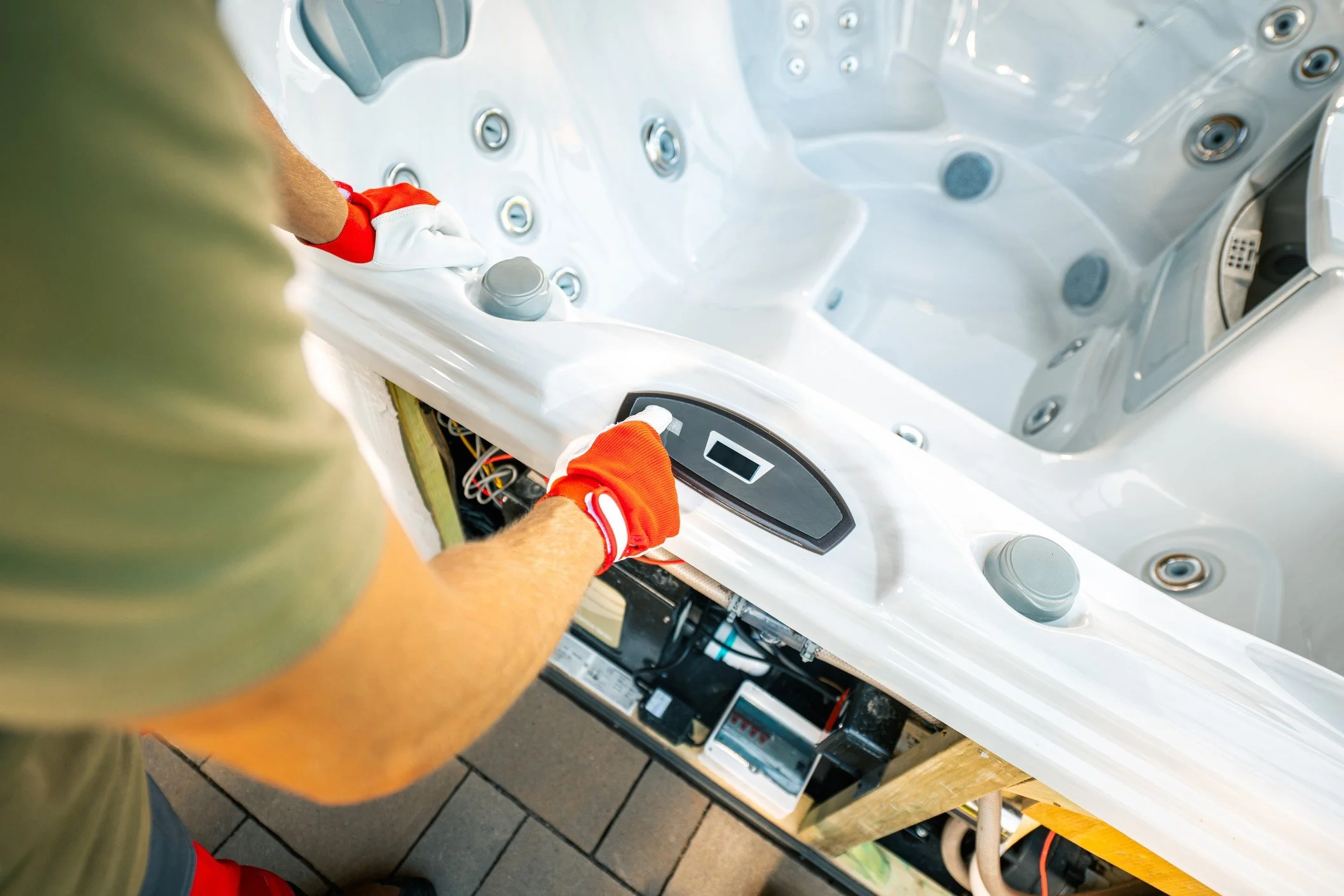
Deciding whether to repair or replace a hot tub involves evaluating its age, the severity of the problem, and the cost of repairs compared to investing in a new unit. While many issues can be fixed with routine maintenance or targeted solutions, recurrences or major system failures may make replacement the more cost-effective choice. The following signs can help you determine which option is best for your hot tub.
Signs Your Hot Tub Only Needs Repair
Inconsistent Heating: If your hot tub water is lukewarm or won't heat up at all, you likely have a faulty heating element or a blown fuse. To fix this issue, a qualified technician can perform standard repairs, which are usually straightforward and more practical than a replacement.
Minor Plumbing Leaks: Pooling water around your tub often indicates a leak, which may be caused by a loose or worn component. When addressed promptly by an expert, this issue may only require tightening or replacing parts as needed.
Control Panel Error Codes: Many modern hot tubs are equipped with diagnostic sensors. If your control panel shows codes like "FLO" (flow issue) or "OH" (overheat), it's likely from a sensor malfunction or a dirty filter. A professional system tune-up or component replacement can often resolve these issues.
Signs Your Hot Tub Needs Replacement
Structural Cracks in the Shell: While surface scratches on the hot tub’s shell can be buffed out, deep cracks can lead to significant water loss and are often difficult to repair permanently. If you notice any damage that compromises the unit’s structural integrity, a replacement is the best option.
Frequent and Recurring Breakdowns: If you notice that your hot tub requires repairs more frequently, it may signal deeper underlying issues. Recurring mechanical failures can indicate that your unit is reaching the end of its functional life. In this case, buying a new one may be more cost-effective than investing in frequent repairs.
Higher Energy Bills: Older hot tubs are generally less energy-efficient since they lack the advanced insulation and high-efficiency motors found in modern models. If your electricity bills have increased despite similar usage, it may be time to replace your unit. Newer models use less energy, helping reduce long-term operating costs.
Get Expert Advice From Our Experienced Team
Knowing when to repair or replace your hot tub helps you avoid unnecessary costs, improve performance, and enjoy a safer, more reliable spa experience. By recognizing the above signs, you can make more informed decisions. Contact our experts at J. Adam and Sons Ltd. Spas & Plumbing for reliable hot tub solutions!